Insights from a photographer
When I received my Nikon DSLR as a gift, I didn’t plan to do much with it beyond taking pictures of friends and family. And then I met my now friend, but then stranger, "Jen the Photographer" in the park. After having done an informational interview with her, she invited me to observe a wedding she was having in a few weeks. Years later, here we are.
The role of a second photographer often goes unnoticed or under-appreciated. While aspiring photographers may dream of taking center stage as the lead photographer, there are numerous benefits and career opportunities that come with becoming a second photographer.
Having photographed weddings in backyards to world-class golf courses, these are the four things I have learned as a second photographer.
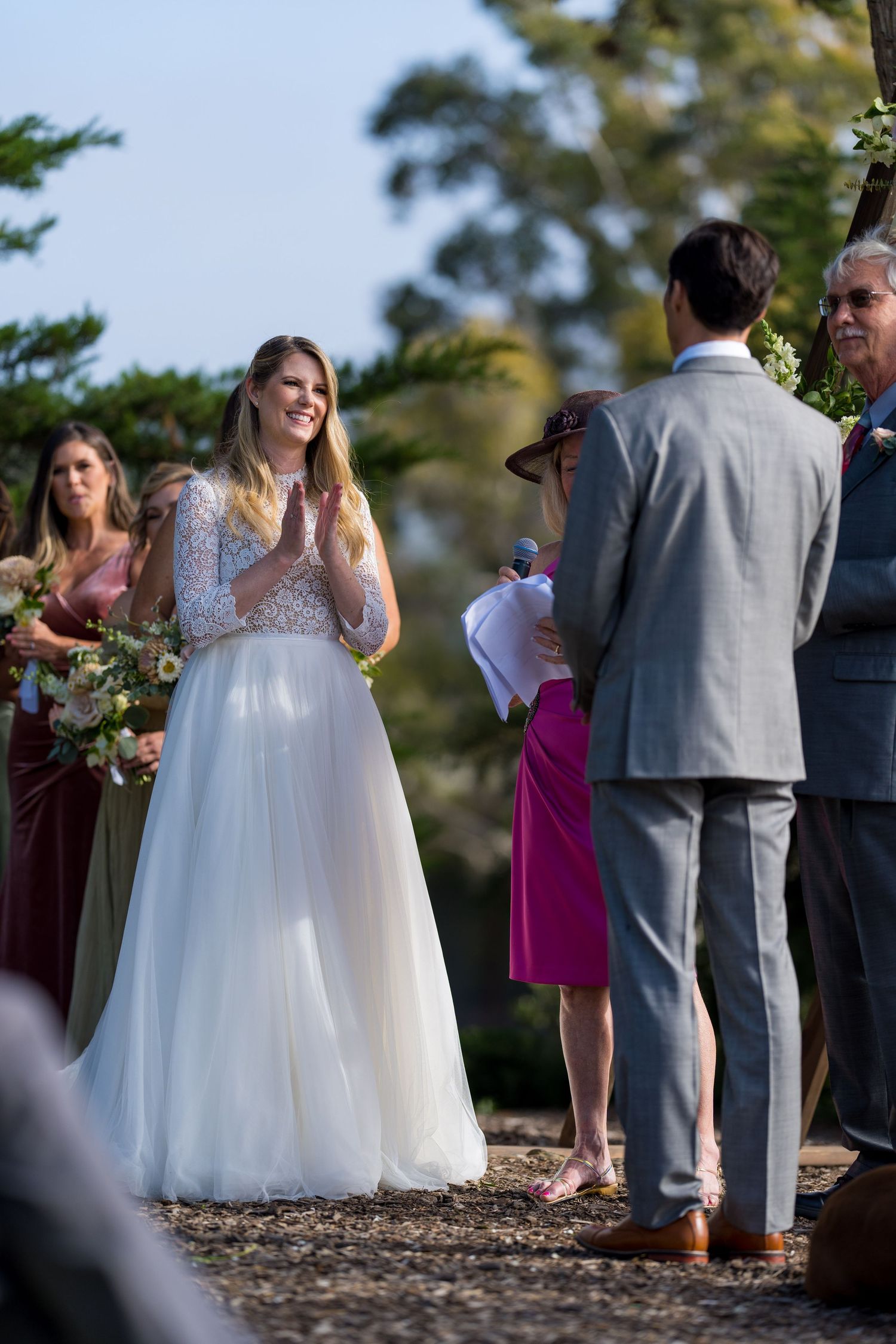
#1: Helps You Gain Valuable Experience
Becoming a second photographer allows you to gain invaluable experience and knowledge in the wedding photography industry, especially if you are still determining if this is a full-time career or a side hustle. Working alongside an experienced professional provides you with a unique opportunity to observe their techniques, learn about different styles, and understand the nuances of capturing special moments. This hands-on experience is an excellent foundation for building your own skills and confidence as a photographer. Wedding photography is unique because there is no “practice” wedding day. When you are with your client, you capture their moments as they happen.

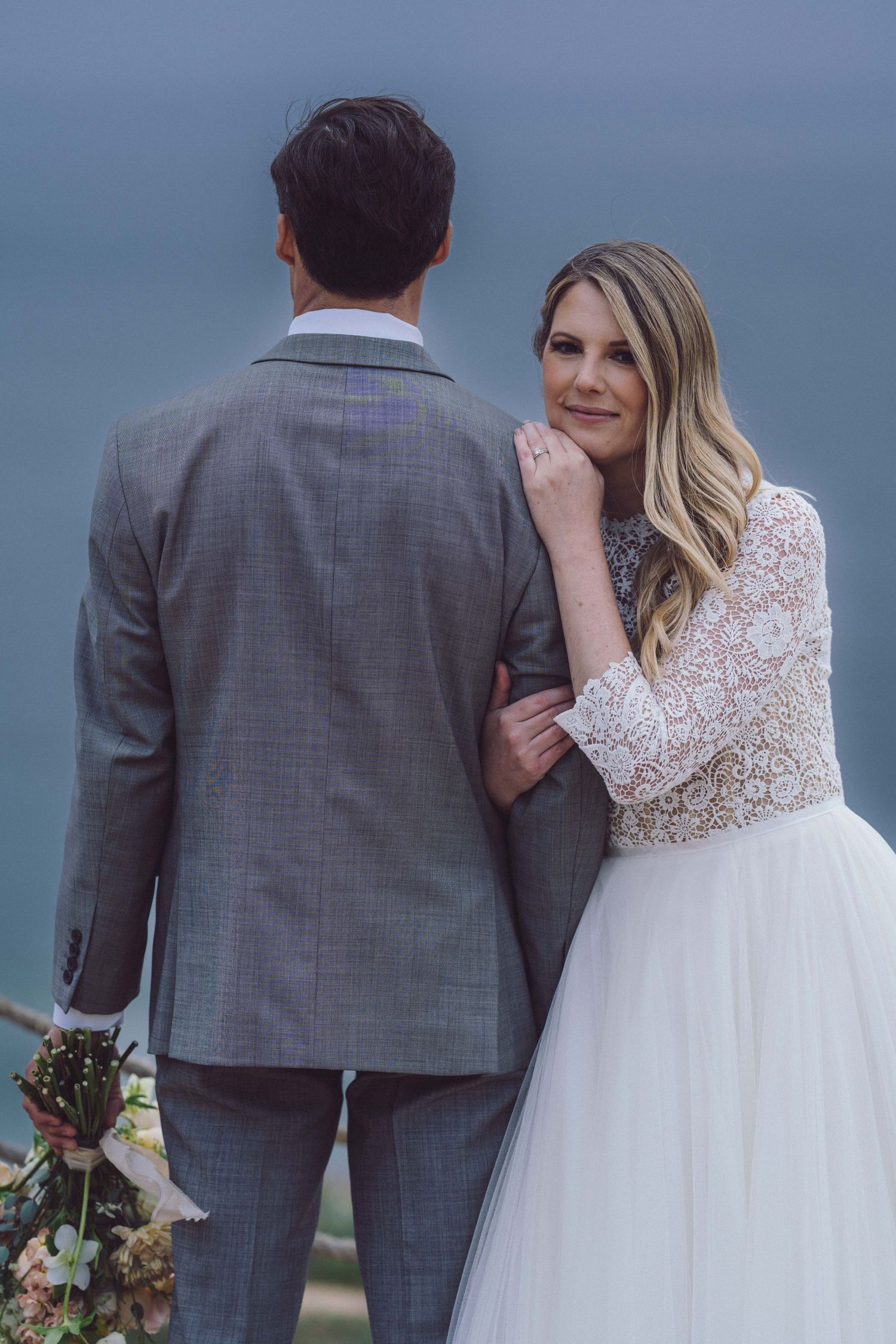

#2: Expand Your Portfolio
As a second photographer, you have the chance to build and diversify your portfolio by capturing shots from different angles and perspectives. While the lead photographer focuses on the "essential shots", oftentimes with the bride, couples photos, and key moments like the first kiss, you can explore creative compositions and angles that the lead is not capturing, candid moments, and unique details of the venue and environment, and have interactions with guests that add to the couples' wedding story. This allows you to showcase your distinct style and adds depth to your body of work, making you a more versatile and sought-after photographer. Shooting with different lead photographers exposes you to varying perspectives, approaches, and ways of thinking about a shot, wedding, and the profession more broadly.
I love shooting with prime lenses - 50mm, 85mm - and my 70-200 is a quick reach away. For the majority of my lead photographers, my setup works. Then there was J, one of my favorite leads to shoot with. The first time we shot together, they asked if I’d capture the wide shots while they got the tight and intimate shots, the ones that I love to get on a wedding day! It was a shock to my system, and if I am honest, I was nervous as hell! But the images are ones that my portfolio appreciates because I now have a more balanced representation of my work - tighter, more intimate photos and wider images - telling more of the story.
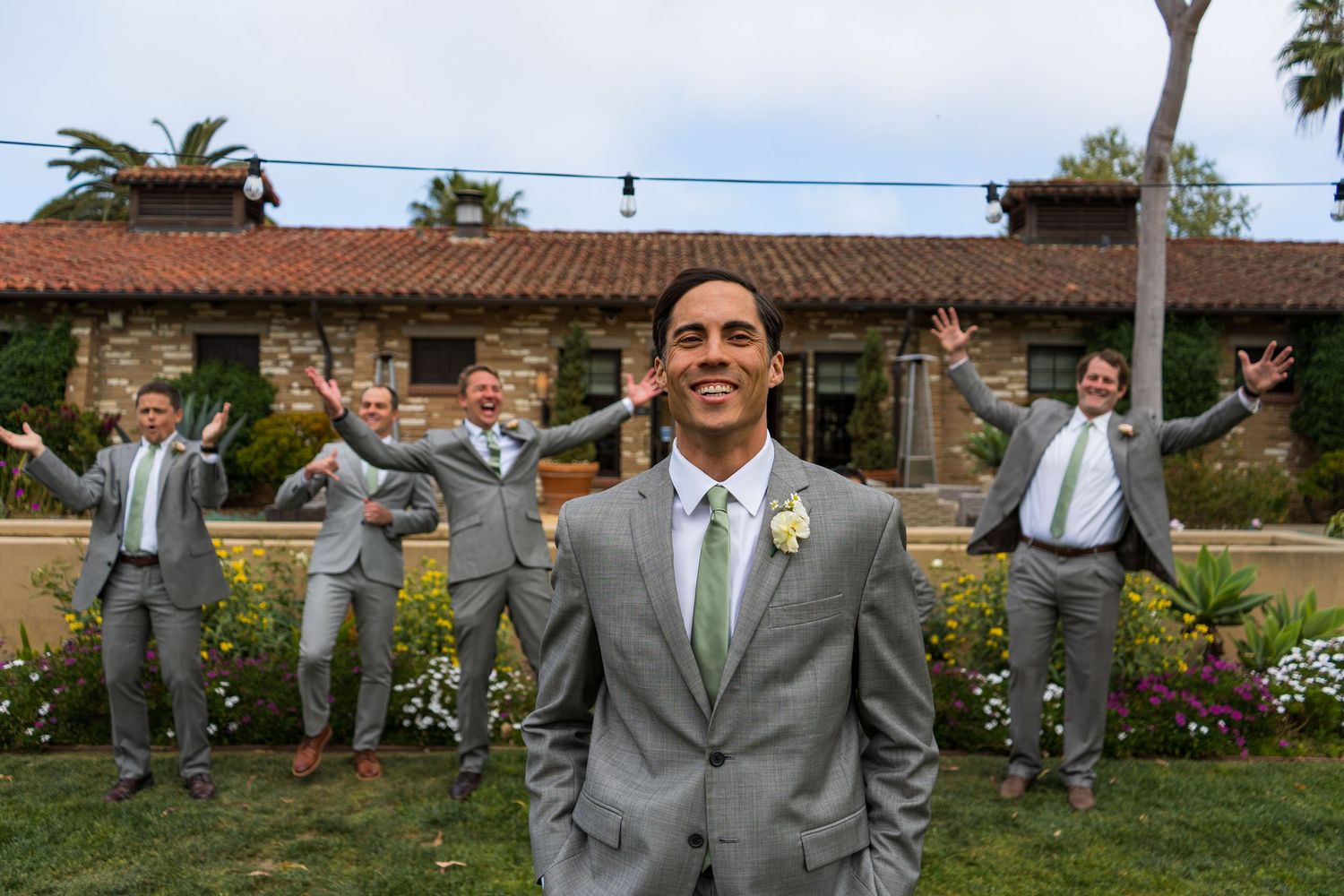
#3: Network and Build Connections
Wedding photography is a highly collaborative field, and working as a second photographer allows you to network and build connections within the industry. You have the opportunity to establish relationships not only with the lead photographer but also with other wedding vendors, such as wedding planners, florists, and venue coordinators. These connections can lead to referrals, partnerships, and future business opportunities. Making and fostering these relationships will allow you to grow not only your business, if you decide to become a lead wedding photographer, but create an established and supportive community that you can learn from and lean on throughout your photography career.
#4: Learn Business and Client Management
When you start photography, especially in the wedding industry, we focus our time on capturing great images. Becoming a second photographer exposes you to the business side of wedding photography, which is the majority of how you will spend your time if you become a professional. You can learn firsthand about client interactions, contracts, pricing, and workflow management. This knowledge is invaluable if you aspire to start your own wedding photography business in the future. In my time as a wedding photographer, I have learned that being successful is 90% business (50% customer service, 40% administration) and 10% photography. By understanding the intricacies of running a successful photography business, you will be better prepared to meet the demands of the industry.
If you're passionate about photography and want to take your skills to the next level, consider joining The 2nd's Story eCourse. This comprehensive program is designed to help photographers that might be overwhelmed and unsure of how to get started become extraordinary wedding photographers. The 2nd's Story offers a unique and personalized learning experience. Don't miss this opportunity to unlock your potential and embark on a fulfilling career in wedding photography.
Conclusion:
Becoming a second photographer in the world of wedding photography opens up a world of opportunities and benefits. The advantages are numerous, from gaining experience and expanding your portfolio to building connections and learning the business side of the industry.
If you're considering a career in wedding photography, don't overlook the incredible potential that lies in becoming a second photographer. Embrace this role, hone your skills, and unlock the doors to a successful and rewarding journey in the captivating world of wedding photography.
